Analytics for Buffer
As a small satellite team, we designed and built a new Buffer product that went on to make over $2 million ARR.
Buffer
Lead Product Designer
UX · UI · Prototyping · Figma · CSS · JS · Strategy
Our satellite team
At the time, Buffer wanted to explore a multi-product vision so it could better serve social media marketers. We were inspired by what Intercom was doing.
A small satellite team was set up with a few engineers, a product manager and me as the designer. We were time-boxed to find a viable product that could sit alongside Buffer's core offering. Based on the signals we were seeing and the research we were doing, better analytics felt like the right place to focus. Our existing analytics had plenty of gaps, and that became the starting point for a new product called Analyze.
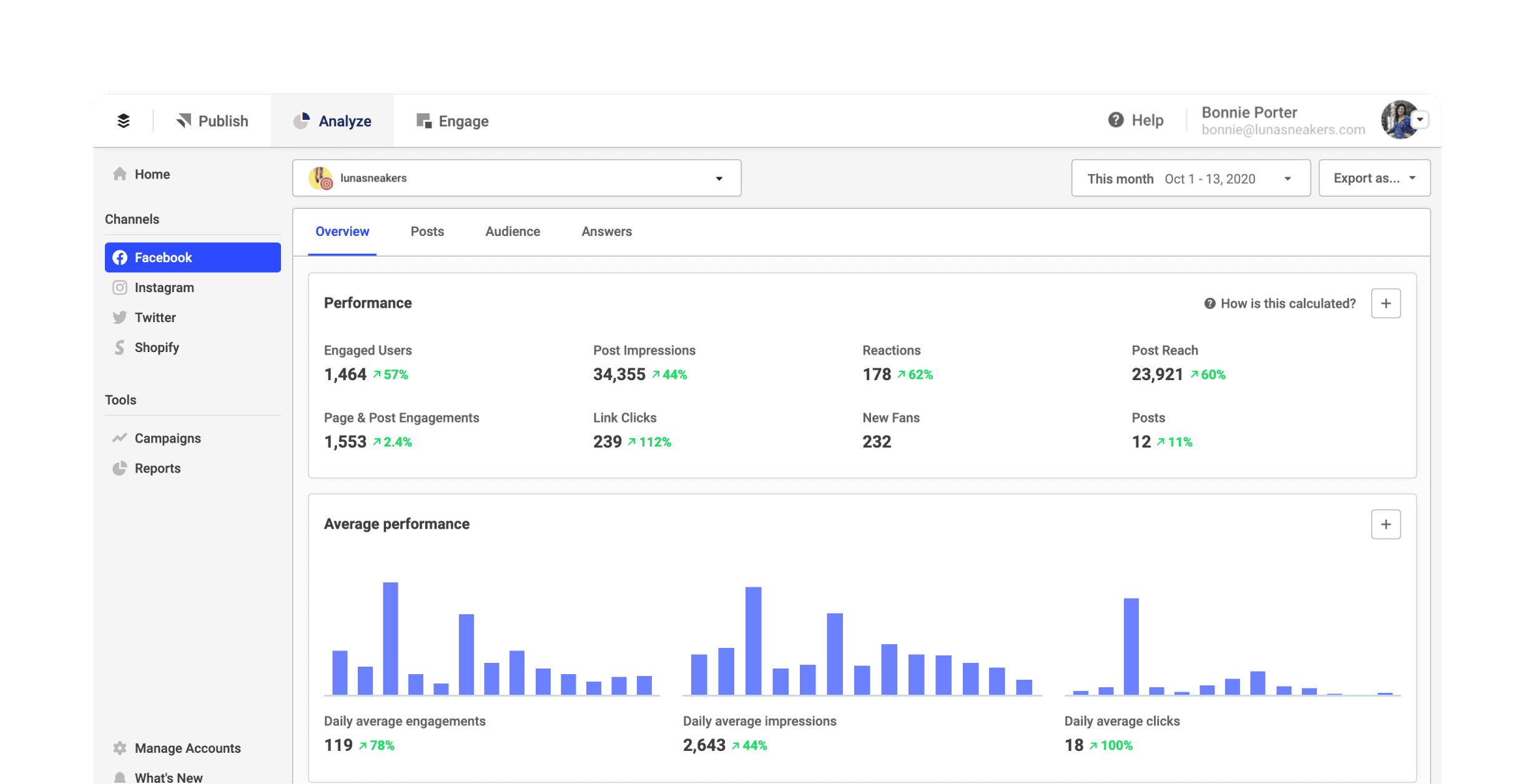
Spreadsheets were our competition
It's easy to build endless graphs and charts that overwhelm people. Analytics software can quickly become a fancy spreadsheet. Buffer's product language was light, friendly, fresh, professional and reliable, and that shaped how we approached the work. The question we kept coming back to was why people use analytics in the first place. We realised it was less about individual metrics and more about knowing what to do next.
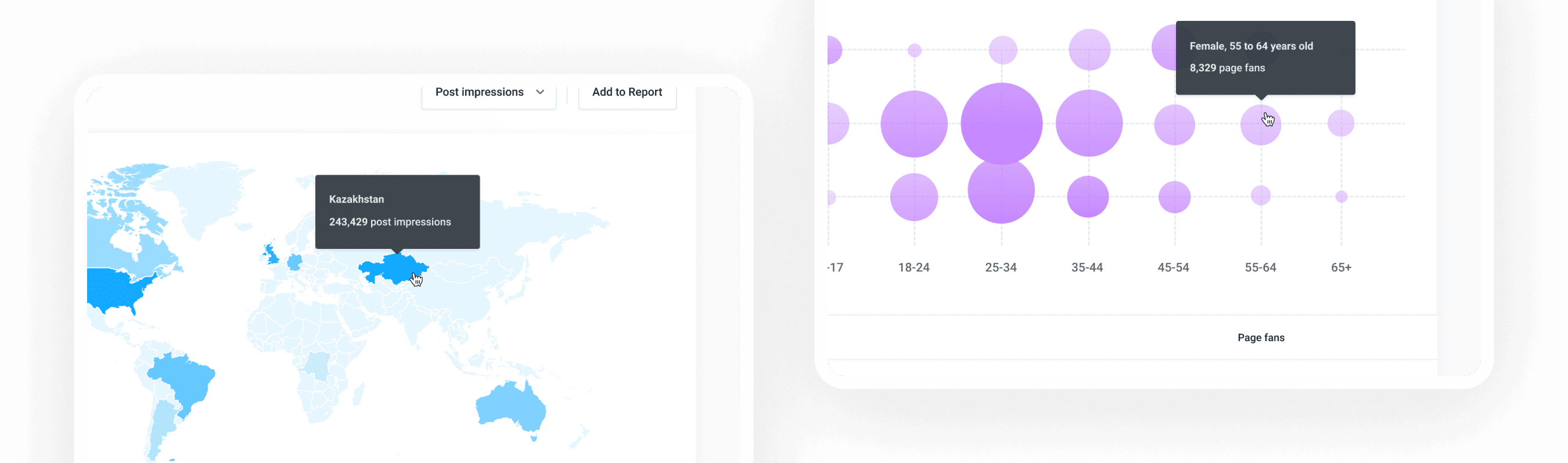
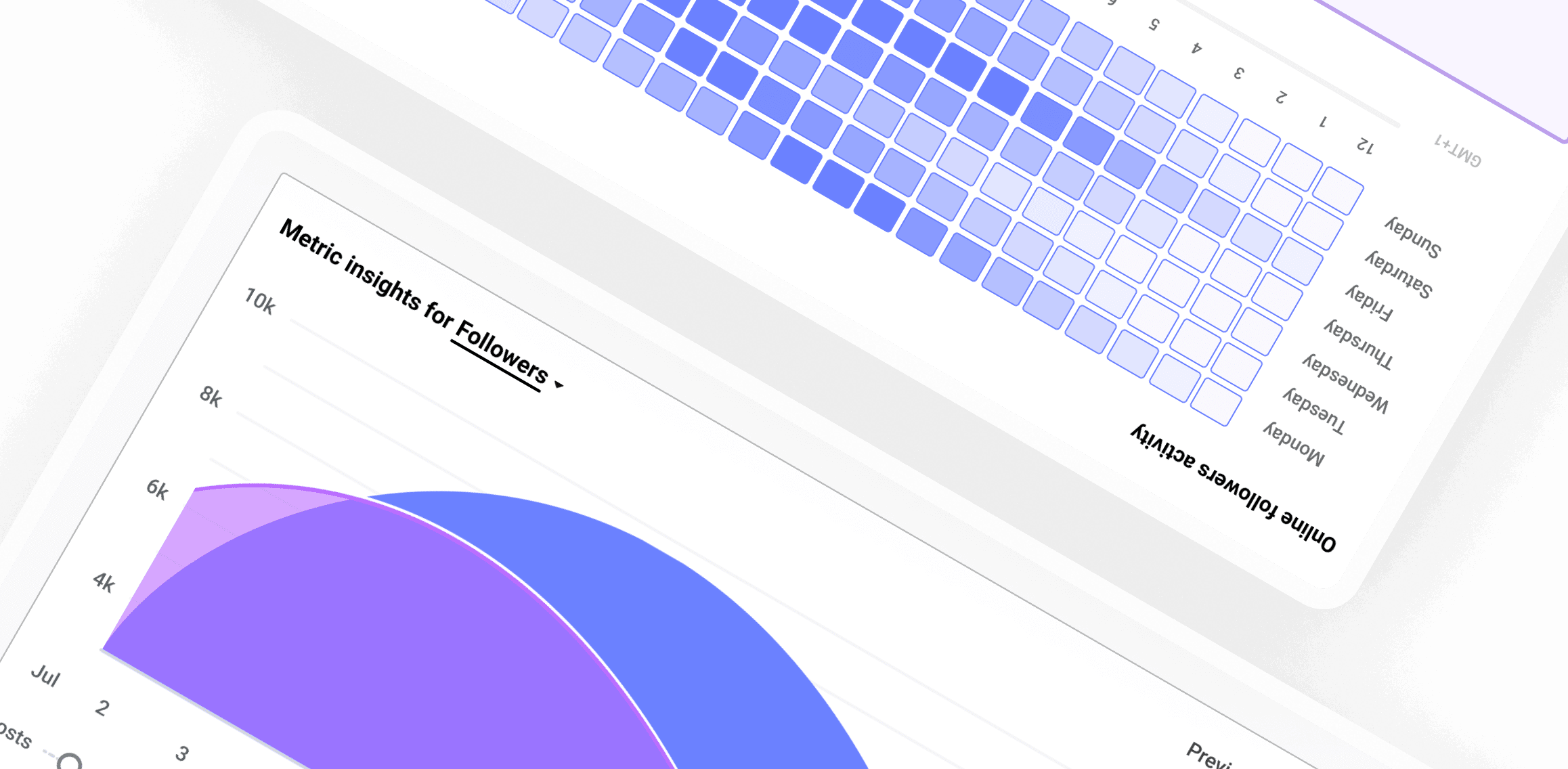
Working out next steps
We decided early on to create a new product with a separate codebase from Buffer, so we could move quickly without relying on legacy tech. For a small team, that meant faster communication and fewer worries about stepping on other people's toes. In the early days, I worked closely with the engineers to prototype tables, graphs and pages. React felt like the right fit, alongside Highcharts for the visuals.
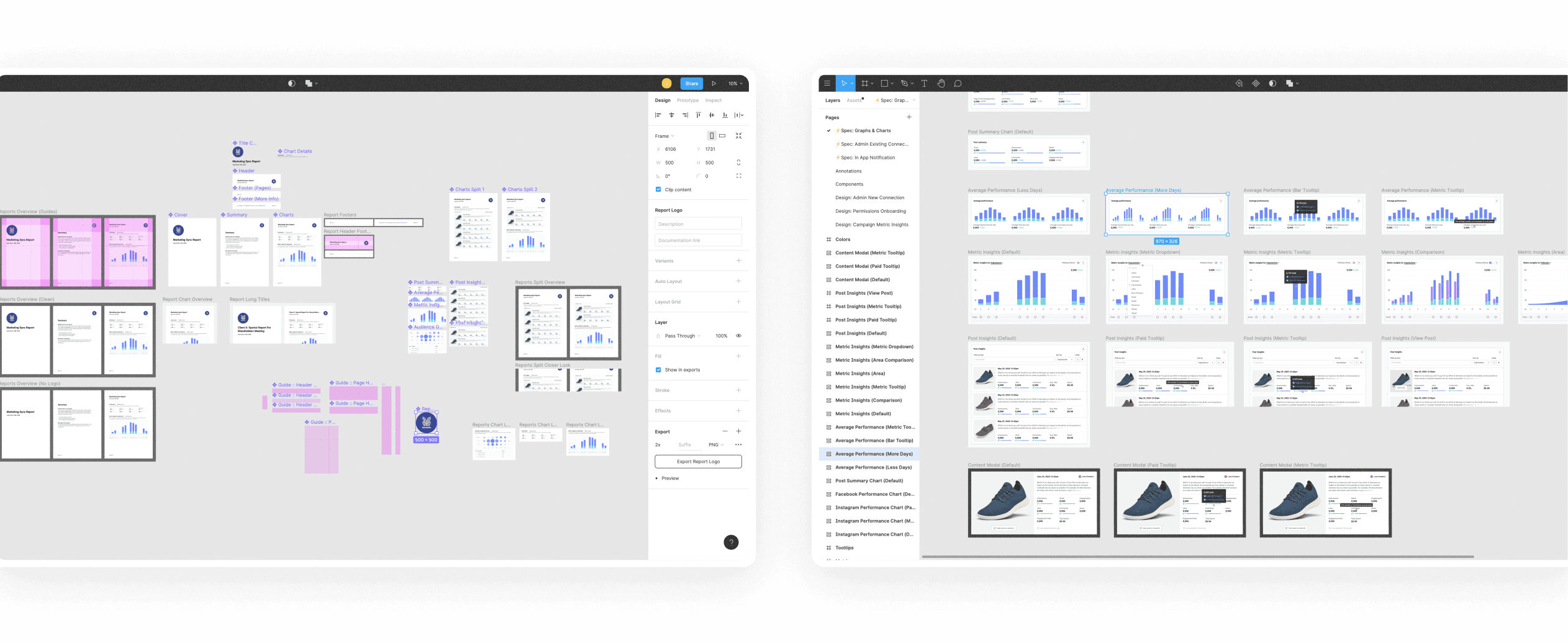
Research was important
User research and competitive analysis played a huge part in the early days. Our product manager, Tom, and I ran interviews to understand what we should focus on. I used those findings to work through ideas, flows, concepts and prototypes. We kept hearing that social media managers spent too much time collecting data from different networks and building reports by hand for clients, teams or bosses. Some even paid other people to do it for them. Spreadsheets were the tool of choice.
Road to success
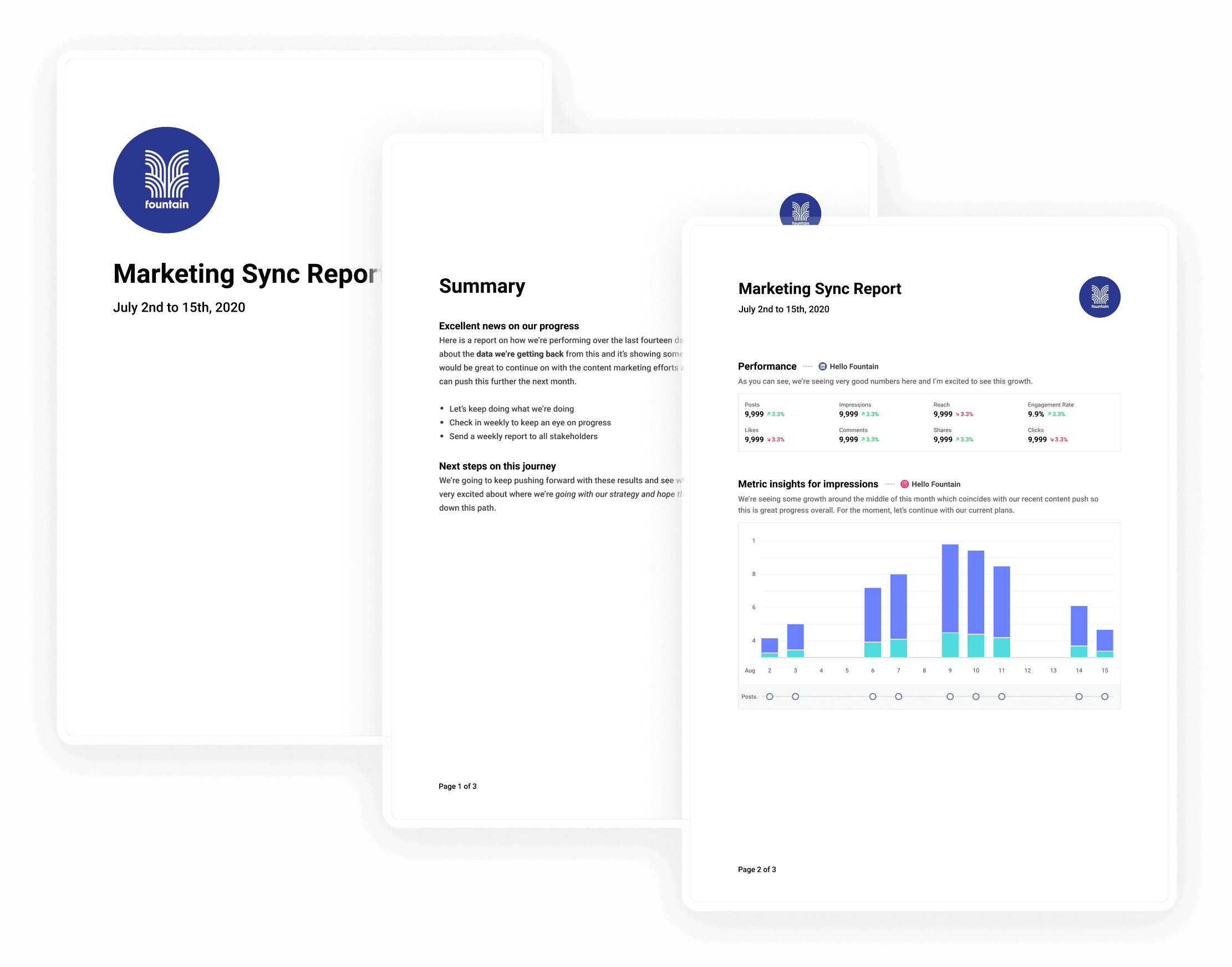
We felt there was something strong there. Analyze would provide useful analytics from Buffer, but also let people connect other social accounts separately. That meant social media marketers could collect data from multiple sources, generate charts and tables automatically, and create professional-looking reports. Buffer already saved people time with scheduling, so we wanted to do the same for social media analytics. We also felt the product would appeal to power users, agencies and businesses, helping Buffer reach new markets and charge a higher price.
This was an exciting project because we had the freedom to design and build what we believed was right, and it was working. Our small team researched, designed and grew a new product under the Buffer banner that went on to make over $2 million ARR.